A visual storyteller specialized in participatory, ethical, impact-driven narratives

PHOTOBOOK

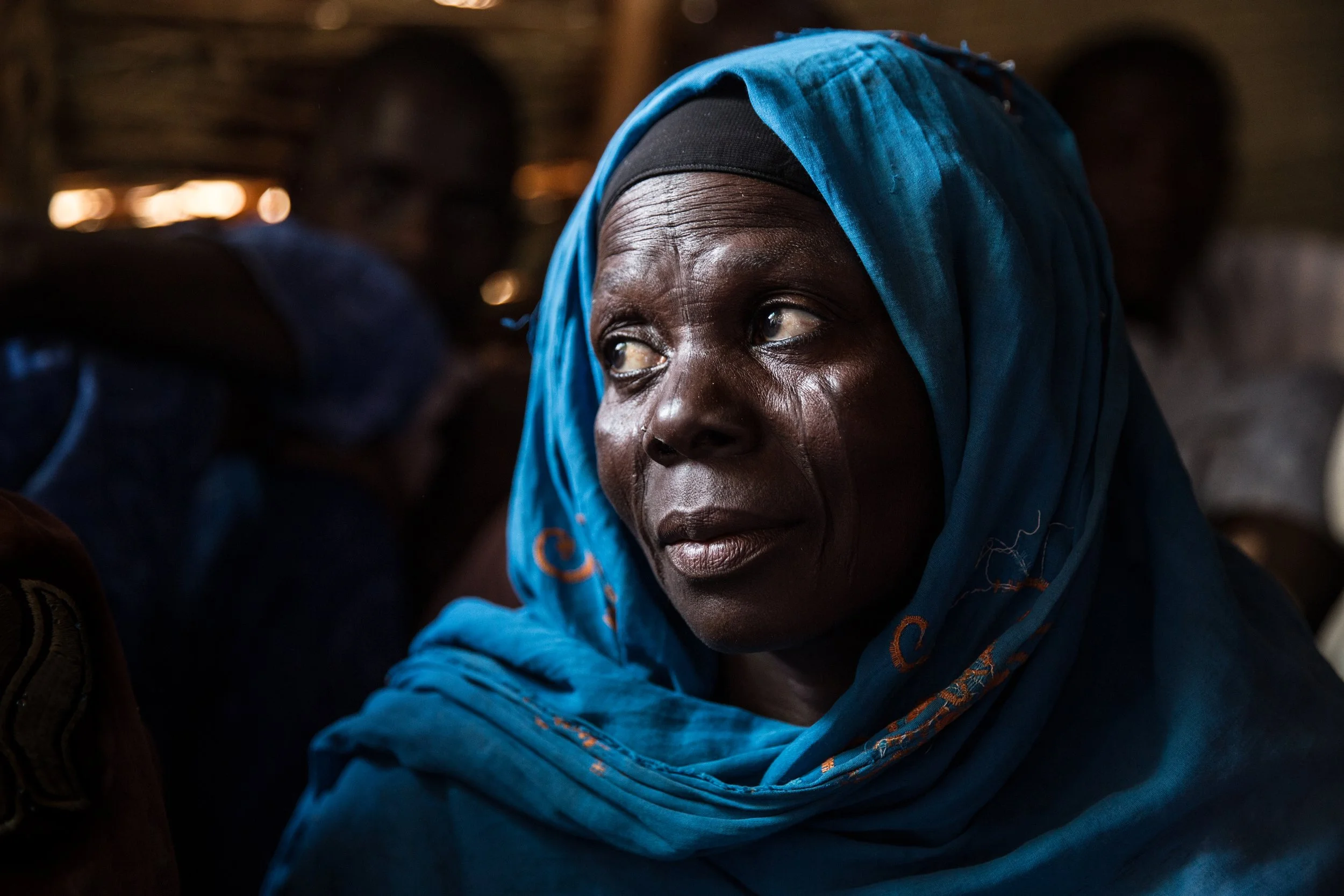
Siriri - Stories from Central African Republic

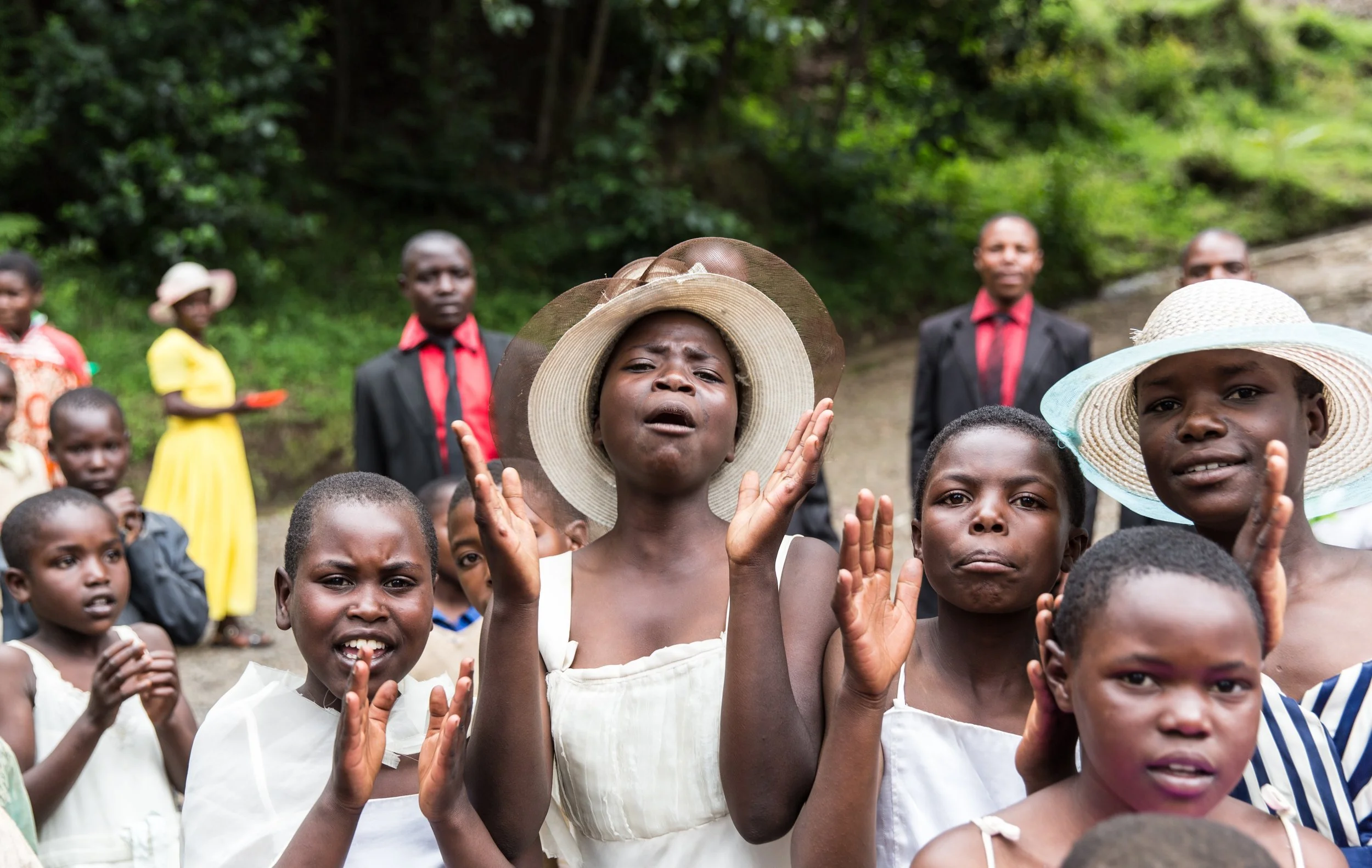
CENTRAL AFRICAN REPUBLIC - Since its independence in 1960, the Central African Republic has experienced many waves of violence. The 2013-2014 conflict had an unprecedented impact on the community fabric, social interactions, and the economic well-being of the state and its people.

"If there is no peace, what will be the future for my children? We must disarm our hearts. When there is a conflict, we have two options: to settle it with violence or with dialogue."

STORY

Confronting the Hidden Toll of Tuberculosis on Mozambique’s Miners

Mozambique – "It starts quietly in the chest, bringing coughing, fatigue, and weakness. Before you know it, it can take a person away. Down in the mines, it’s even worse. The dust chokes you, the air is heavy, and the disease creeps in without warning. It kills; it really does."

Mozambican migration to South Africa’s mines dates back to the 1850s – first driven by labour demands on sugar estates, then by the discovery of gold and diamonds.

At first, the sacrifice seemed worth it. Henrique could send money home, buy shoes, and visit his family. But the reality underground was grueling. Long shifts in narrow tunnels, thick with dust and poor ventilation, left him exhausted. What he didn’t know was that the air he breathed every day was also poisoning him (…)

STORY

Under a Changing Sky

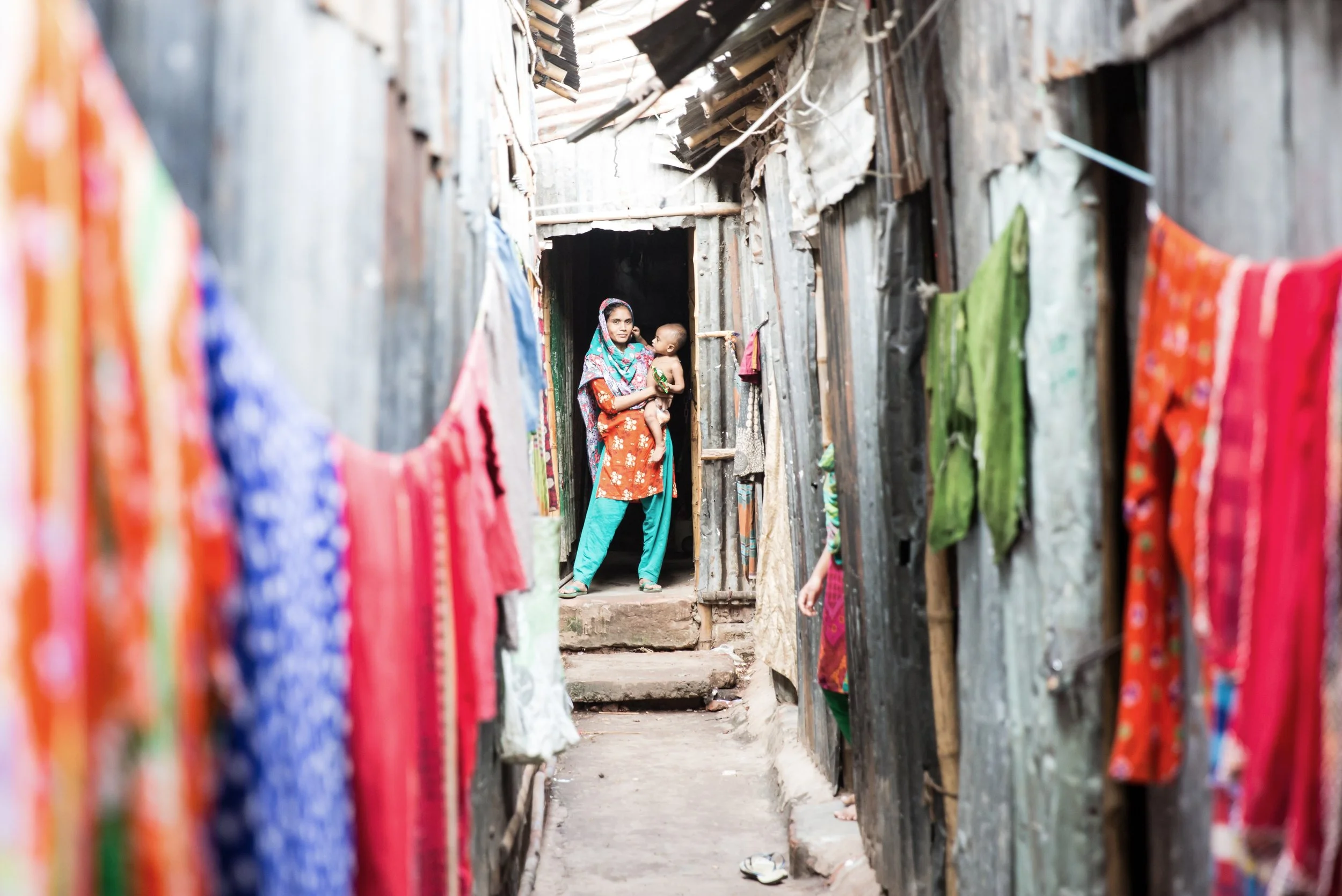
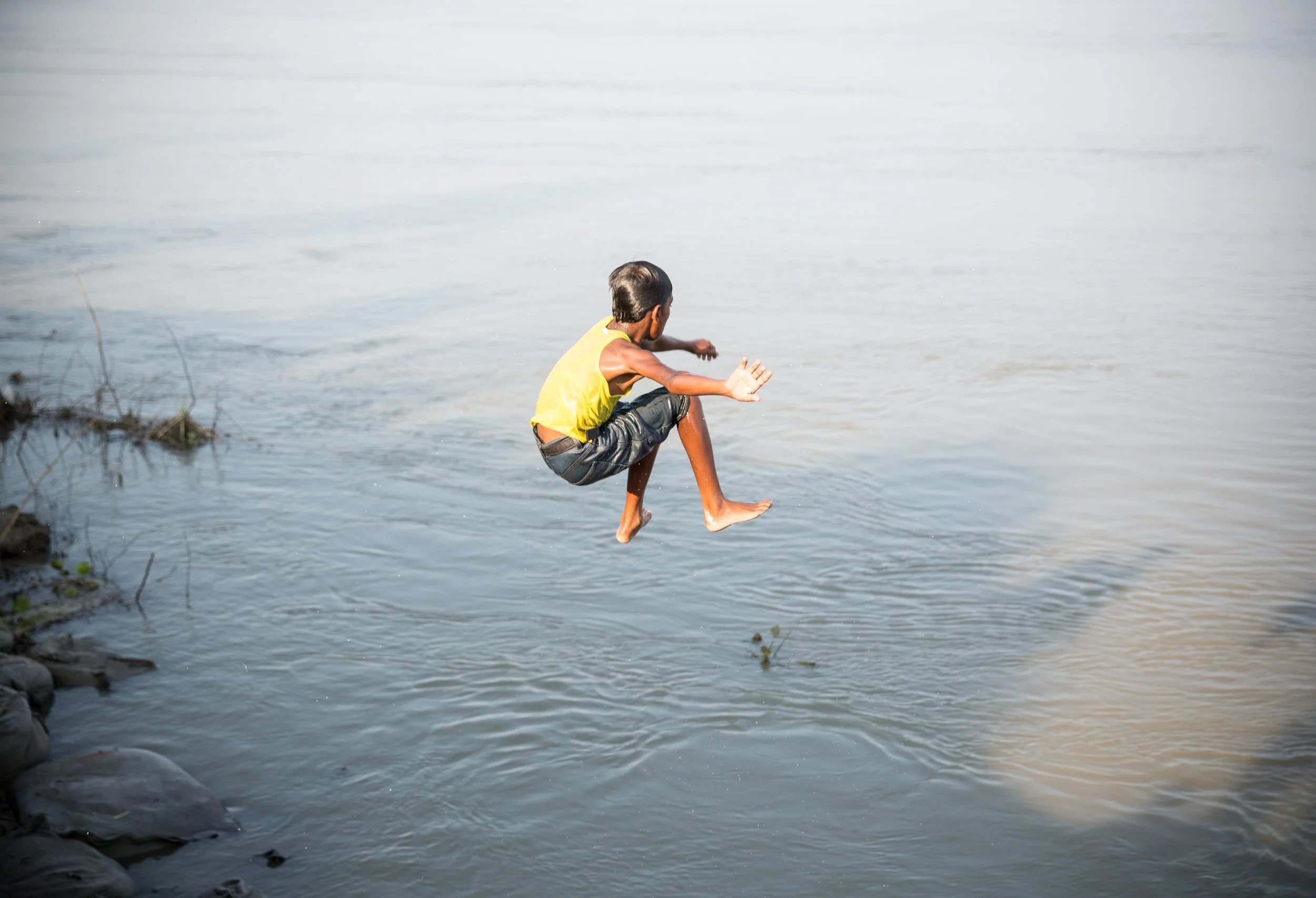
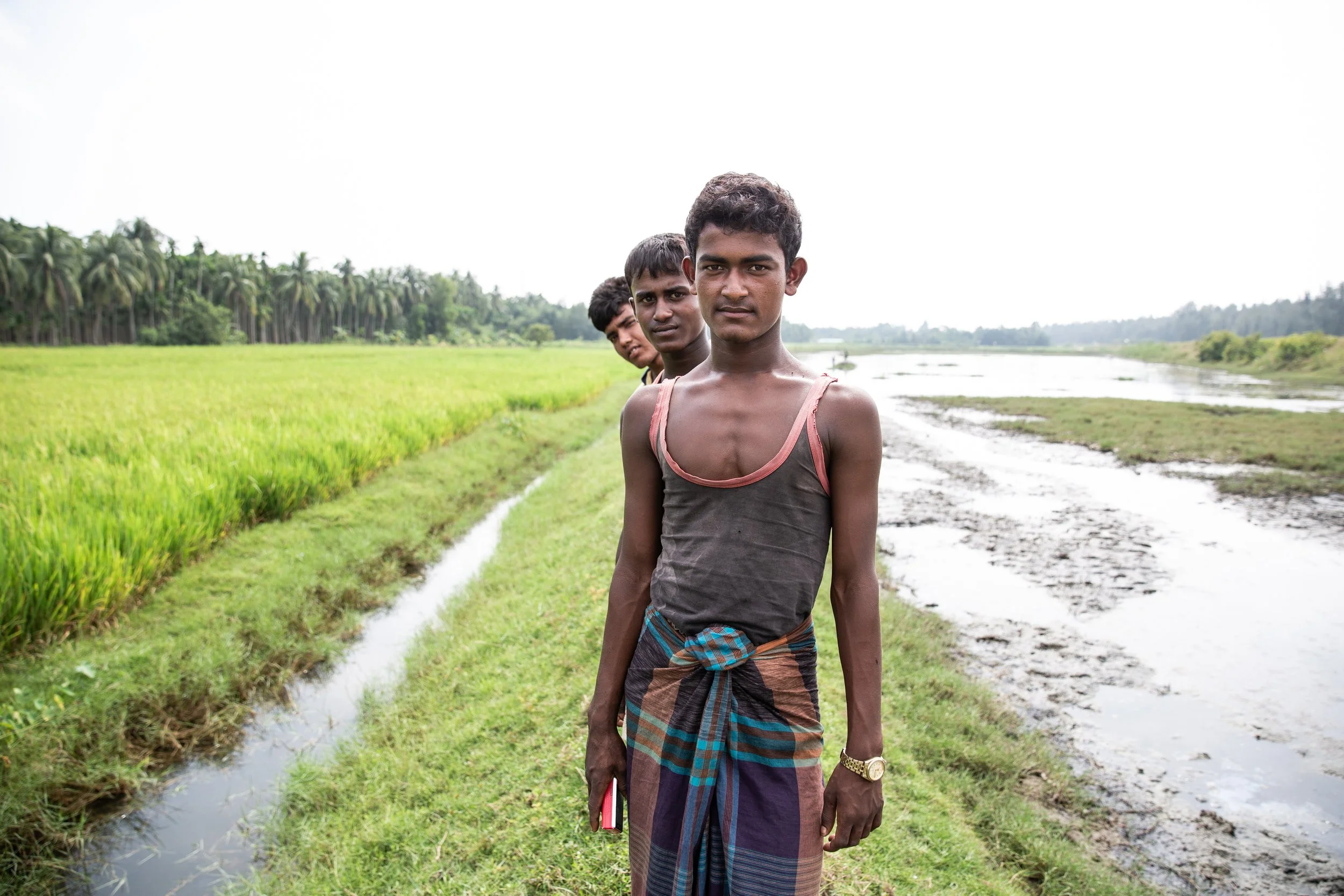
BANGLADESH - “There is a small piece of land in the middle of the river. I was born there. But then the river grew and washed our home away. We moved farther away, but the river kept growing. We’ve lost our home three times.”

This account reflects a broader reality across Bangladesh, where the impacts of climate change are intensifying and reshaping lives. Millions of people have already been displaced as environmental pressures grow, with different regions experiencing distinct challenges: the north faces riverbank erosion, erratic rainfall and drought, while the south contends with cyclones, storm surges and salinity intrusion that affects freshwater sources and livelihoods (…)

PHOTOBOOK

Retournés

CHAD - When violence erupted in the Central African Republic (CAR) in 2013, what followed was a mass unraveling of lives that had long stretched across borders. For decades, Chadian communities had settled, traded, and built families in the CAR, often blurring the line between “migrant” and “local.” But as the crisis deepened, many found themselves abruptly recast as outsiders, targeted by waves of suspicion and violence. In this climate, tens of thousands fled northward to Chad as returnees to a country some had never truly known. Their return exposed a paradox of migration: going “home” can feel like another form of displacement. Many arrived in fragile regions already under strain, with limited access to land, services, or livelihoods. Social reintegration proved complex, as returnees navigated both the weight of loss and the challenge of rebuilding belonging in places that were, in many ways, unfamiliar."